11 March 2026 — Myanmar’s military-led authorities have replaced the Chief Justice of Chin State and appointed new judicial officials, in a move that comes as the regime continues reorganizing state institutions following its recent elections.
According to a statement issued on 10 March, the current Chief Justice of Chin State, Mr. Nay Soe, was allowed to step down from his duties due to health reasons, effective 1 March.
The SSPC (State Security and Peace Commission) military council appointed Mr. Myat San as the new Chief Justice of Chin State. Mr. Kyaw Thaung Aung was also appointed as a judge of the Chin State High Court.
The changes come as the Myanma’s military authorities move forward with forming new administrations after the 2025–2026 general elections held under the military-backed government. The elections were conducted in three phases between December 2025 and January 2026.
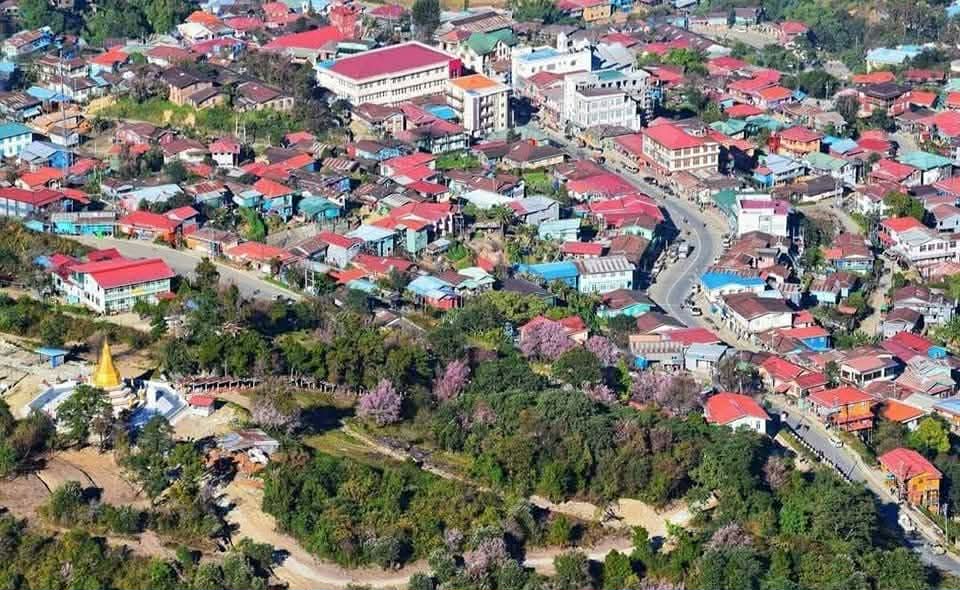
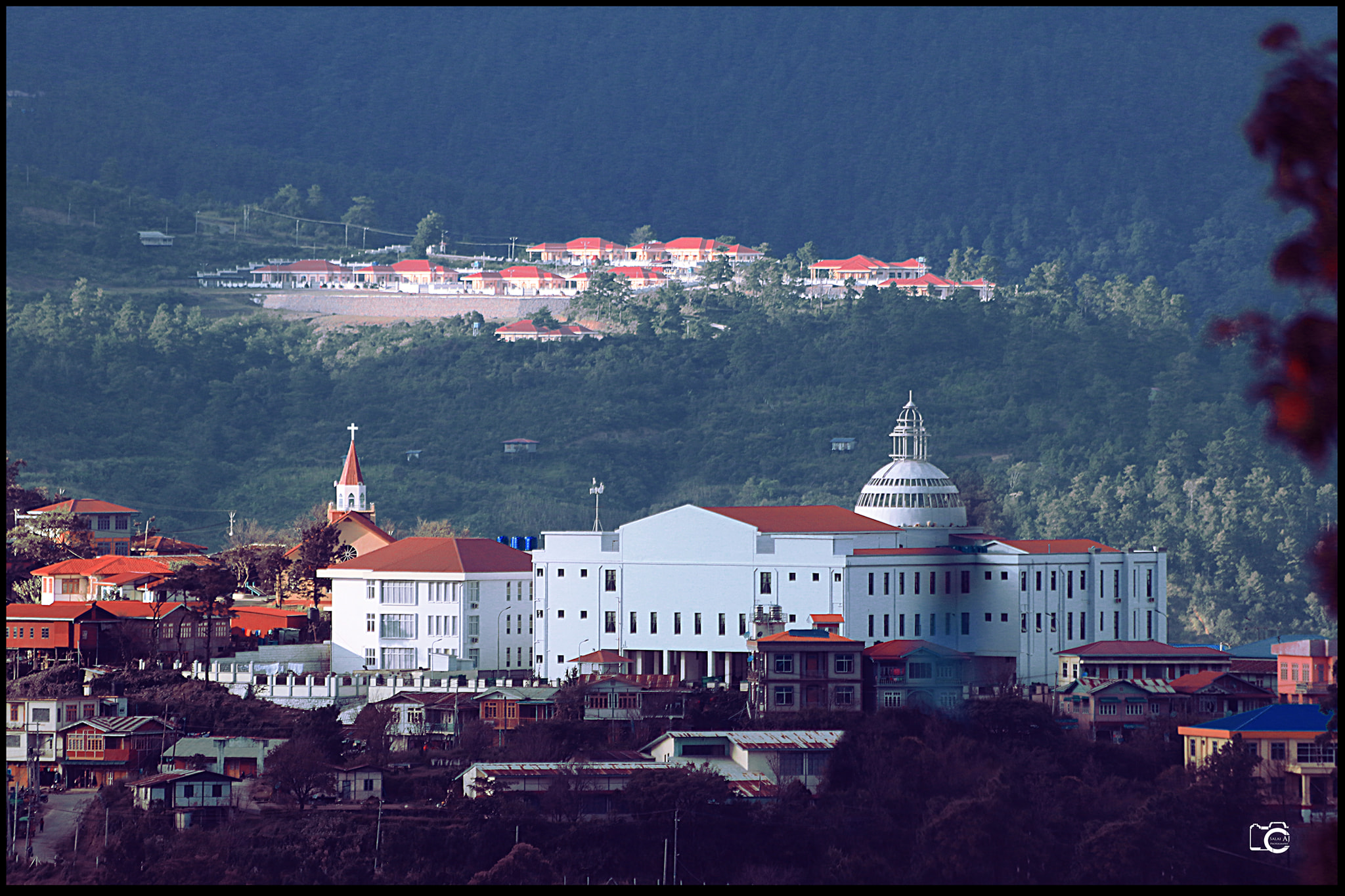
In Chin State, voting could only take place in Hakha and Tedim towns due to ongoing conflict in most other areas. These two towns were the only locations considered secure enough for the polls.
Following the elections, local State Security and Peace Commission (SSPC) structures and related administrative bodies are also being reorganized in towns such as Hakha and Tedim as part of preparations for the formation of a new government.
The SSPC, established in July 2025 after the end of the state of emergency, currently oversees the transition toward a new administration under military authority.
According to the military authorities, state and regional parliaments are expected to convene later in March, with new government bodies likely to be formed in early April 2026.
Observers say the reshuffle of judicial officials in Chin State appears to be part of broader institutional changes taking place across Myanmar as the military-backed system prepares for the installation of a new administration following the elections.
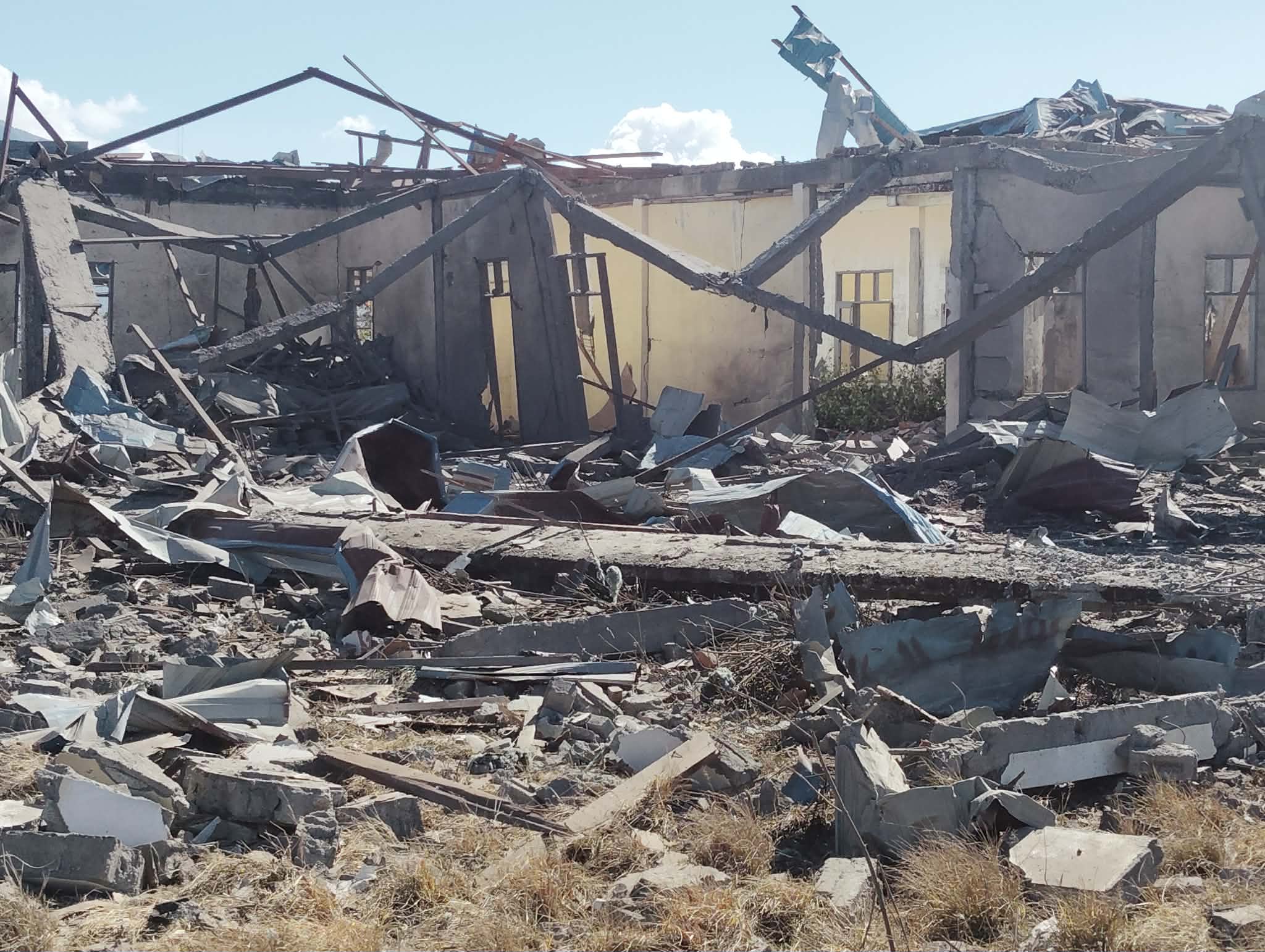
Meanwhile, Chin State continues to face ongoing armed conflict and instability, which has limited government control to only a few urban centers such as Hakha and Tedim towns. – Reporting by Daniel