15 July 2026 — Matu communities across Malaysia, India and Chin State celebrated the annual Losak Khotue festival on 15 July, bringing together thousands of community members through traditional performances, cultural ceremonies and social gatherings aimed at preserving the identity and heritage of the Matu Chin people.
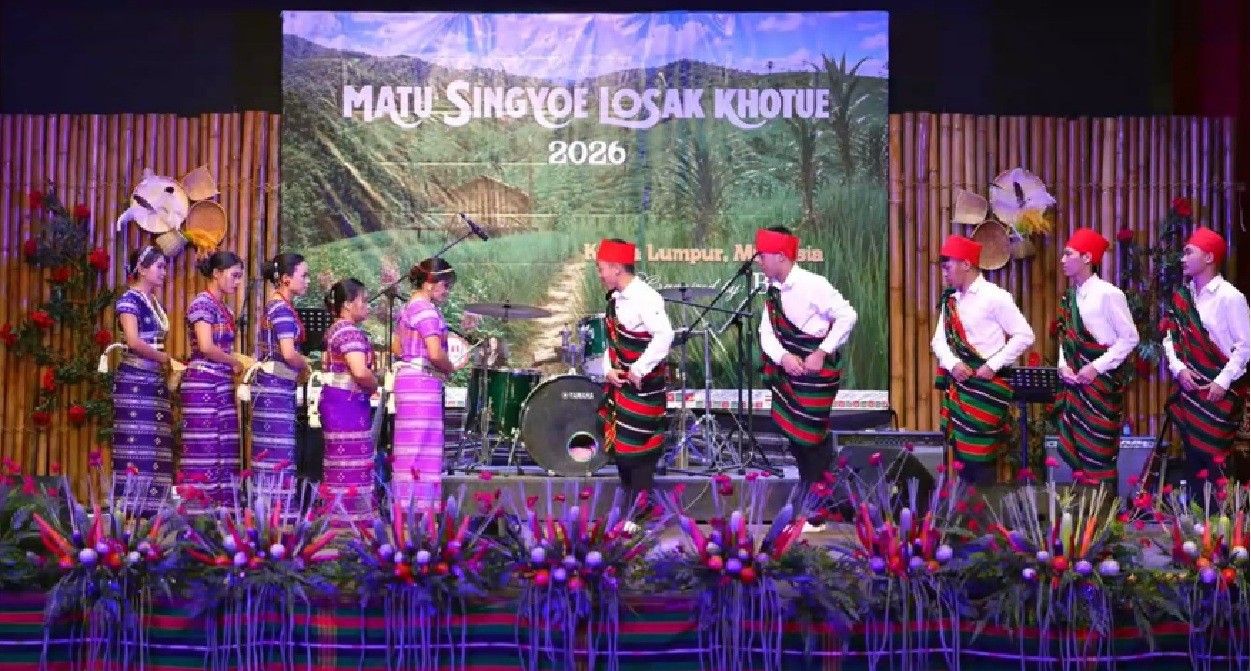
In Kuala Lumpur, Malaysia, the celebration was held from 11:00 am to 5:00 pm at the Chinese Assembly Hall, where members of the Matu diaspora gathered to commemorate one of their most significant traditional festivals.
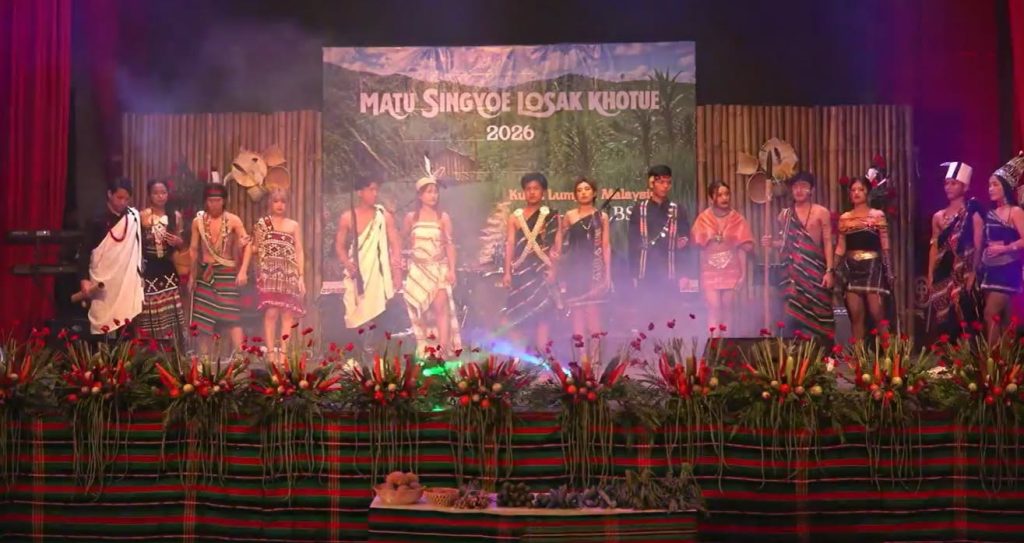
The programme featured traditional Matu dances, cultural performances, folk songs, a traditional fashion show and community fellowship, attracting participants from across Malaysia.
Similar celebrations were also organised in Matupi township, the ancestral homeland of the Matu people in southern part of Chin State, as well as in Yangon, in New Delhi and Mizoram, India, where Matu communities marked the occasion through traditional ceremonies, cultural performances and communal gatherings.
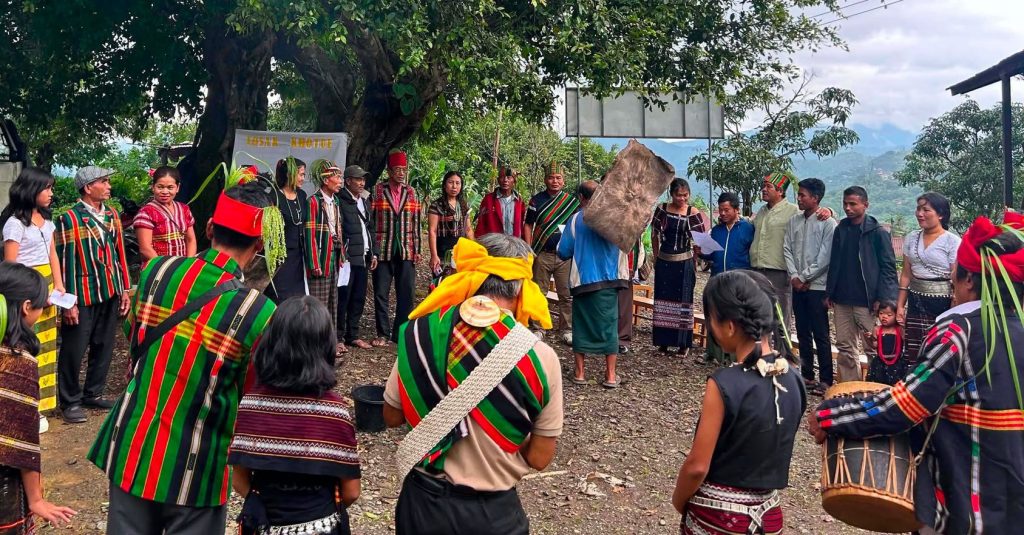
The celebrations reflected ongoing efforts by Matu communities, both inside Myanmar and abroad, to preserve their cultural identity despite years of armed conflict, displacement and migration.
A festival rooted in agriculture and gratitude
Losak Khotue is celebrated annually on 15 July and is regarded as one of the three most important traditional festivals of the Matu Chin people. Although commonly described as a first-fruits thanksgiving festival, it represents far more than the beginning of the harvest season.
The name Losak Khotue originates from the Matu language:
- Lo – hill farm (shifting cultivation)
- Sak – cultivation
- Kho – season or climate
- Tue – appointed time or completion
Together, the name refers to the season when the first crops harvested from hill farms are ready to be consumed, symbolising gratitude for nature’s bounty and the successful completion of an agricultural cycle.
For generations, the Matu Chin people have relied on hill farming as their primary livelihood. The agricultural calendar traditionally begins with clearing fields in January, burning vegetation in March, sowing seeds in April, and tending crops throughout the rainy season. By July, pumpkins, gourds, maize, roselle leaves and other vegetables begin to mature.
Traditionally, however, families do not consume the season’s first harvest until Losak Khotue has been formally observed. Instead, they continue eating stored food and wild forest produce until the festival ceremonies are completed. The practice symbolises respect for nature, gratitude for the harvest and recognition of the importance of communal traditions.
From ancestral tradition to annual cultural celebration
Historically, village elders determined the festival date according to the traditional lunar calendar, and celebrations lasted for two days. The first day, known as Huet Hnin, served as a preparation day, while the second day, Losak Dae Hnin, marked the main celebration.
Families visited their hill farms to collect the first fruits of the season before conducting traditional ceremonies that officially permitted the harvest to be eaten. Villagers then shared meals with relatives, neighbours and friends while celebrating with music, dancing and storytelling.
Among the festival’s most distinctive traditions is Tang La, a ceremonial style of singing accompanied by large and small gongs. The songs celebrate friendship, express gratitude for the harvest and pray for prosperity while reinforcing community solidarity.
Another traditional feature is Photling, a friendly contest using leather shields. Rather than symbolising conflict, the competition demonstrates physical strength, courage, discipline and mutual respect among young people.
Preserving cultural heritage across generations
In 1974, community elders and local leaders in Matupi formally designated 15 July as the official date for celebrating Losak Khotue each year. Since then, the festival has continued to unite Matu communities across Myanmar and overseas.
Today, Losak Khotue serves not only as a harvest celebration but also as an important expression of the Matu people’s history, language, traditional music, dance, customs and indigenous agricultural knowledge. It has become a living cultural heritage that strengthens community cohesion while helping younger generations maintain a connection with their ancestral traditions.
As increasing numbers of Matu people have been displaced by conflict or migrated abroad, annual celebrations in countries such as Malaysia and India have taken on added significance. Community leaders say the festival provides an opportunity to reinforce cultural identity, strengthen social bonds and ensure that traditional knowledge is passed on to future generations.
For the Matu Chin people, Losak Khotue remains more than a celebration of the first harvest—it stands as a lasting symbol of resilience, unity and cultural pride, preserving a heritage handed down through generations. – Reporting by Ben