12 July 2026 — The Humanitarian and Development Coordination Office (HDCO) has warned that flooding is likely to worsen in Paletwa township, Chin State, and six townships in Rakhine State, declaring the situation has reached a level requiring an emergency response.
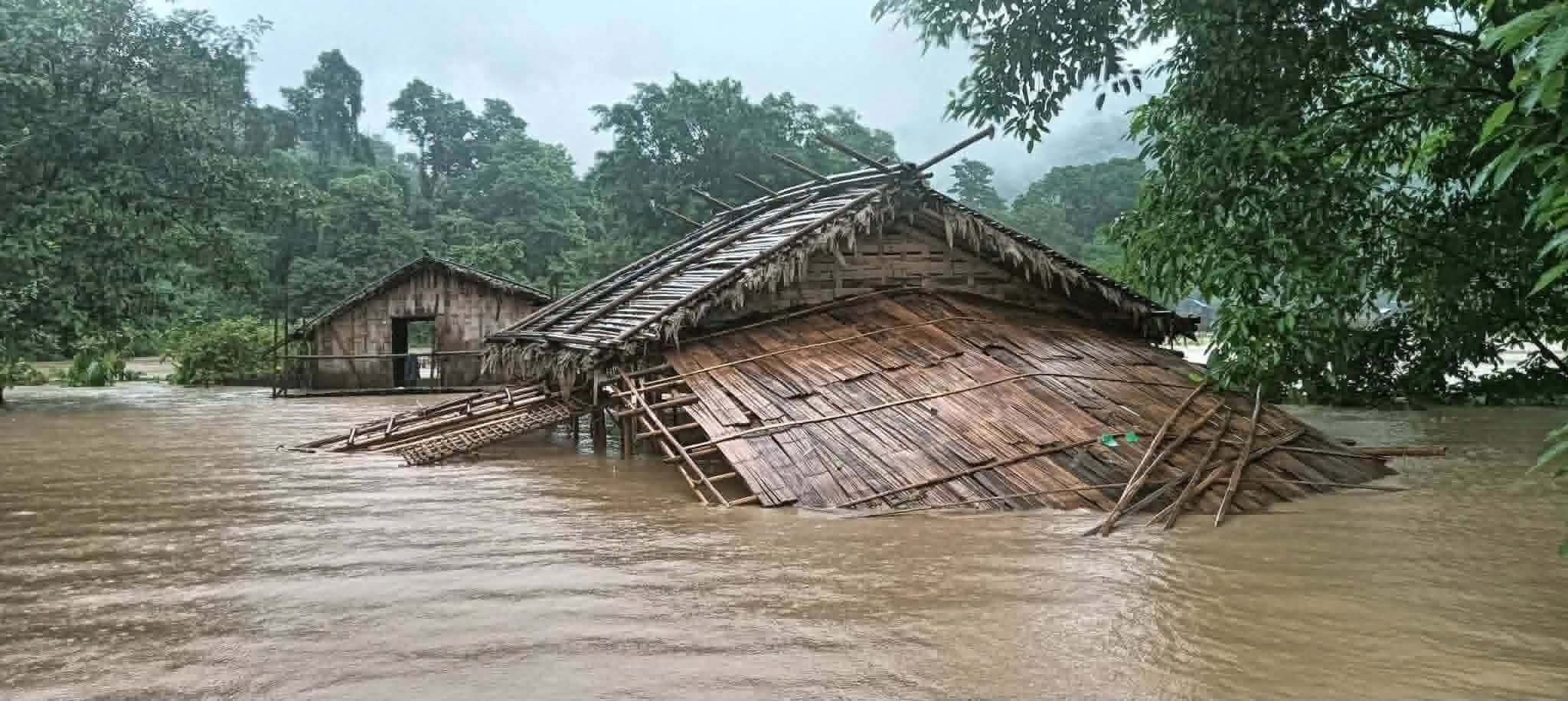
In a statement issued on 9 July, HDCO said that heavy rainfall had caused flooding in more than 70 villages and urban wards across Paletwa township in Chin State and Maungdaw, Buthidaung, Rathedaung, Kyauktaw, Mrauk-U, and Minbya townships in Rakhine State as of 8 July.
According to HDCO, continued heavy rainfall is expected to further aggravate flooding in the affected areas, prompting the agency to classify the situation as one requiring immediate humanitarian response and coordinated relief efforts.
The office called on relevant authorities, humanitarian organisations, and aid agencies to closely monitor the situation and coordinate emergency assistance for affected communities.
Local reports indicate that at least three people have died in Rakhine State due to flooding, while roads, bridges, and other infrastructure have been damaged, with landslides also reported in several areas.
Earlier, on 7 July, strong winds and tornadoes reportedly damaged around 240 homes and other buildings in Kyaukphyu, Ramree, Taungup, Thandwe, and Gwa townships.
A local volunteer assisting flood-affected communities said that flooding has now impacted approximately eight townships and around 100 villages, particularly those located along the Kaladan and Lay Myo rivers.
HDCO urged residents in flood-prone areas to remain vigilant against flooding, landslides, and hazards posed by venomous animals such as snakes and scorpions. It also encouraged communities to take precautionary measures to reduce disaster risks and advised local residents, volunteers, and civil society organizations to report flood conditions and urgent humanitarian needs through its designated communication channels. – Reporting by Ben